What Makes Miami's Summers Especially Hard on AC Systems?
Published: 2026-07-05 · By AC Repair Miami Pros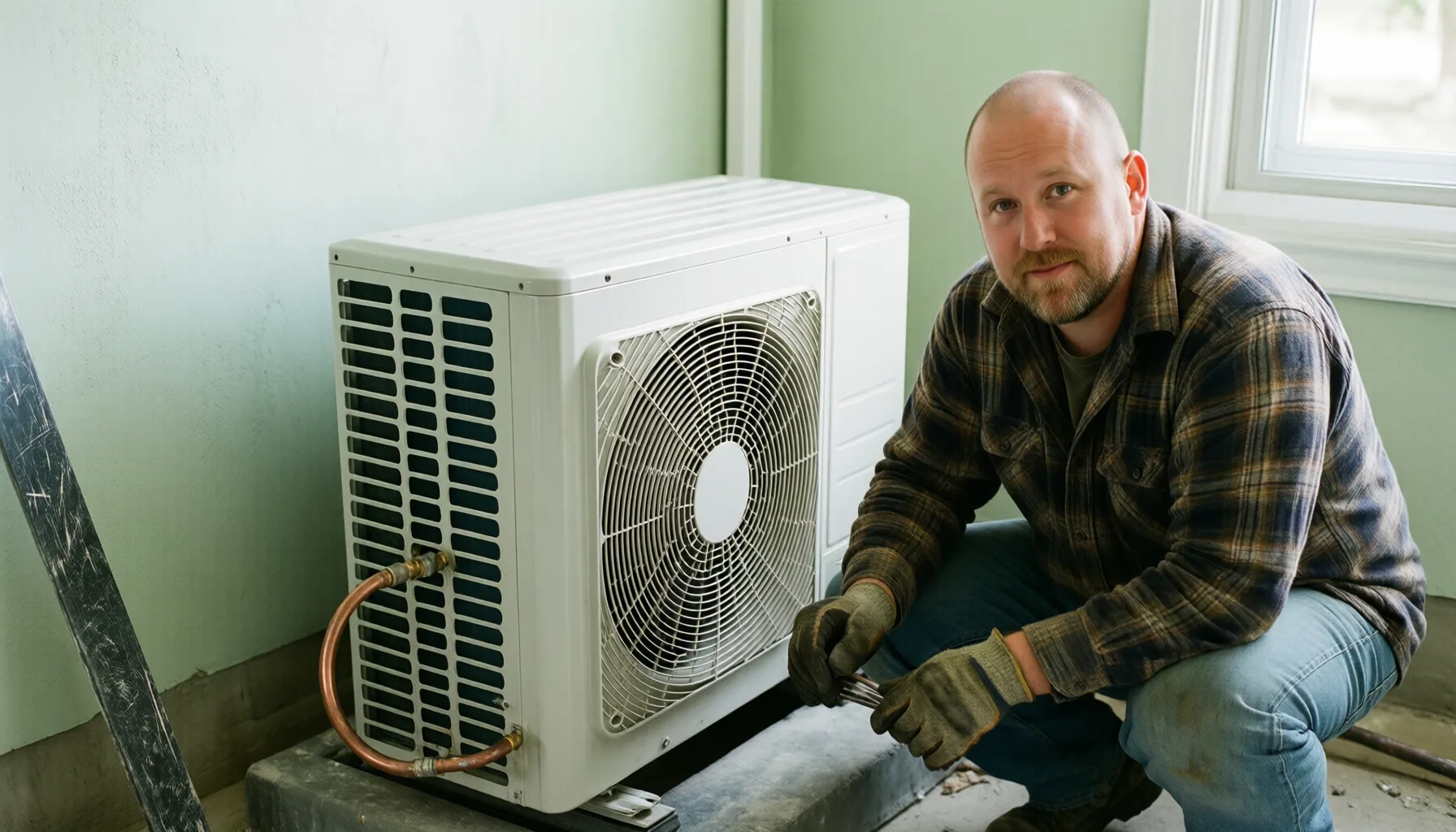
Summer in Miami is synonymous with soaring temperatures, especially when humidity levels make it feel even hotter. Picture this: it's a sweltering afternoon, your air conditioning system suddenly begins to sputter, and before you know it, your home transforms into an oven. This isn't just a minor inconvenience; it's a stark reality that heat and humidity pose significant challenges to air conditioning systems in our coastal city. Understanding these factors can save homeowners from breakdowns and extend the life of their AC units.
Why This Matters for Miami Homeowners
Miami's tropical climate isn't just pleasant; it can wreak havoc on air conditioning systems. The consistent high humidity levels create moisture that encourages mold growth and corrosion, particularly on metal components. Salt air from the coast further exacerbates deterioration, leading to higher repair costs and reduced efficiency. As metal parts succumb to rust, your air conditioning unit struggles to perform, consuming more energy in the process.
Additionally, this constant battle against the elements becomes particularly evident during hurricane season. When storms roll in, humidity and moisture levels spike dramatically, putting even more strain on your cooling system. Homeowners may find their units failing right when they need them most, creating uncomfortable living conditions, especially during extended power outages.
Overlooking these conditions can lead to costly repairs and replacements, emphasizing the need for vigilance and timely interventions when it comes to air conditioning repair.
Expert Solutions & Actionable Tips
1. Regular Maintenance Inspections
Investing in maintenance for your air conditioning system is essential in Miami’s humid climate. Schedule a professional inspection at least twice a year, ideally before summer hits. This can cost anywhere from $75 to $150 per visit, depending on the service provider. Regular checks help catch early warning signs and ensure your unit operates efficiently throughout the hot months.
A qualified technician can clean essential components, check refrigerant levels, and ensure that your system is functioning optimally, all of which can prevent costly breakdowns during peak usage times.
2. Optimize Your Thermostat Settings
Adjusting your thermostat settings can have a profound effect on your AC’s efficiency. Setting the temperature a few degrees higher, around 78°F, can significantly reduce your system’s workload and energy costs. Miami homeowners can save an estimated 3% on cooling costs for each degree above 78°F.
Installing a smart thermostat can provide remote access and automatic adjustments as needed, helping you manage your energy consumption while ensuring comfort.
3. Utilize Ceiling Fans
Ceiling fans can help circulate air effectively and enable you to set your AC to a higher temperature without sacrificing comfort. Running ceiling fans, which cost about $3 to $5 a month to operate, allows for a more efficient cooling experience, particularly during Miami’s humid days.
Ensure that your ceiling fans are set to rotate counterclockwise in the summer for maximum air circulation. This simple adjustment can complement your cooling system and reduce your energy bill.
4. Keep Your Outdoor Unit Clear
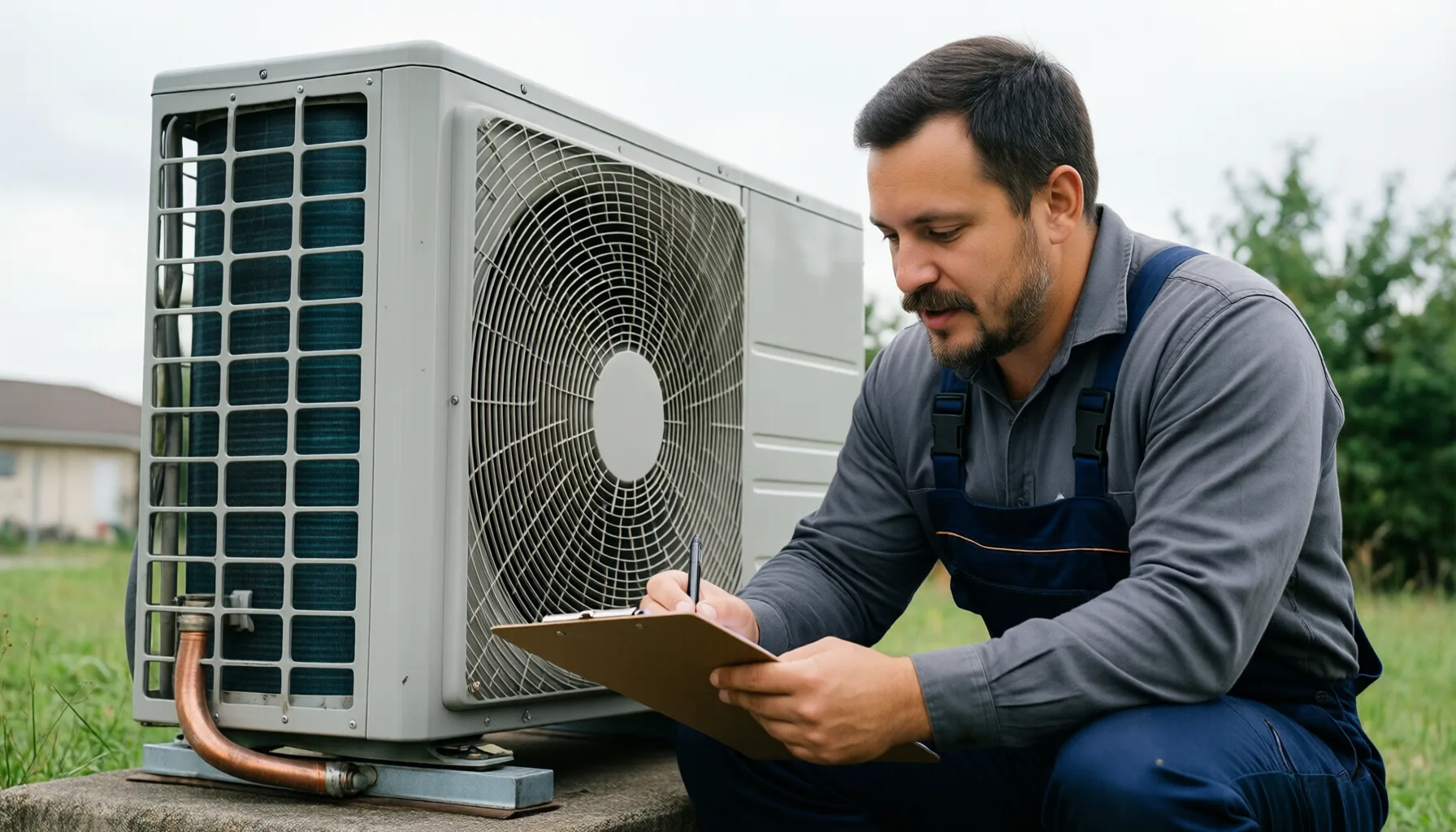
The outdoor unit of your air conditioning system must have a clear area surrounding it. Trim back any vegetation, vines, or debris that can obstruct airflow, particularly after tropical storms. Neglecting this can hinder performance and lead to overheating.
Setting aside time for seasonal clean-up can prevent expensive repairs and equipment failures. A tidy environment for your AC unit can enhance its longevity while improving air quality inside the home.
5. Use Dehumidifiers
Dehumidifiers can be a significant asset in Miami’s rainforest-like humidity. By reducing moisture levels in the air, you can relieve some of the burdens on your air conditioning system, making it more efficient. A good-quality dehumidifier may range from $200 to $600, depending on capacity.
Implementing this additional support can lower the demand on your HVAC system and lead to lower energy usage, allowing you to enjoy cooler indoor spaces without overworking your AC.
6. Know When to Replace Filters
Regularly replacing your AC filters is vital for maintaining clean airflow within your home. In Miami, where dust and humidity can accumulate rapidly, filters should ideally be changed every month during peak season. A typical filter can cost between $10 and $30, offering a cost-effective way to keep your system clean.
Dirty filters impact air quality and force your cooling system to work harder, leading to increased energy consumption and potential breakdowns.
Miami Climate & Local Context
Miami's tropical climate, characterized by high humidity and salt air, profoundly influences the types of building materials used in local homes. Elevated homes and moisture barriers are essential to combat the region’s intense weather conditions. Many structures utilize concrete and treated wood to provide additional protection against moisture infiltration.
Local building codes also require homeowners to consider integrity against high winds during hurricane season, impacting the installation and maintenance of air conditioning systems. AC units must not only be efficient but durable enough to withstand environmental challenges unique to this coastal city.
Moreover, local regulations may dictate specific requirements for HVAC installations and maintenance, emphasizing the need for Miami residents to stay informed to avoid penalties and ensure optimal system performance.
When to Call a Professional
While minor AC issues can be addressed through DIY methods, knowing when to call a professional is crucial. Many Miami homeowners mistakenly attempt repairs they are unqualified for, resulting in greater problems. Complex components such as compressors require trained technicians to avoid further damage.
- If your AC unit makes unusual noises or emits strange smells.
- If your cooling system fails to maintain the desired temperature.
- If you notice increased energy bills without an explanation.
- When refrigerant leaks are suspected.
- If your unit is older and showing signs of wear and tear.
In situations like these, contacting AC Repair Miami Pros is the best course of action. Our experienced technicians can provide thorough diagnostics and effective solutions tailored to your system's needs.
Frequently Asked Questions
What signs indicate my AC unit needs repair?
Signs of an AC malfunction include inconsistent cooling, strange noises, and unusual odors. If you notice any of these issues, it’s wise to consult a professional.
How often should I schedule maintenance for my AC system?
For optimal performance, it's recommended to schedule maintenance twice a year, ideally before the summer heat and after hurricane season.
What should I do if my AC unit starts leaking?
If you see water pooling around your AC unit, it could indicate a refrigerant leak or blocked drainage. Contact AC Repair Miami Pros immediately to avoid further damage.
Are there energy-efficient options for my AC system?
Yes, many energy-efficient models are available, which can help reduce cooling costs significantly. A professional can help guide you in selecting the right unit.
How can I prolong the life of my AC unit?
Regular maintenance, proper filter changes, and ensuring a clean environment around your outdoor unit all contribute to extending the lifespan of your air conditioning system.
Get Expert Air Conditioning Repair Service in Miami
If the challenges of Miami’s sweltering summers are taking a toll on your air conditioning system, don’t wait for a breakdown to seek help. Call (786) 686-4127 to speak with AC Repair Miami Pros today. Our knowledgeable team is here to ensure your system is comfortable and efficient all summer long.
Trust AC Repair Miami Pros to keep your cool in the heat of Miami’s summer; we're just a phone call away!